How to Credit a Creator Post in a Multi-Touch Attribution Model
Credit creator posts by fixing tracking, windows, and CRM links.
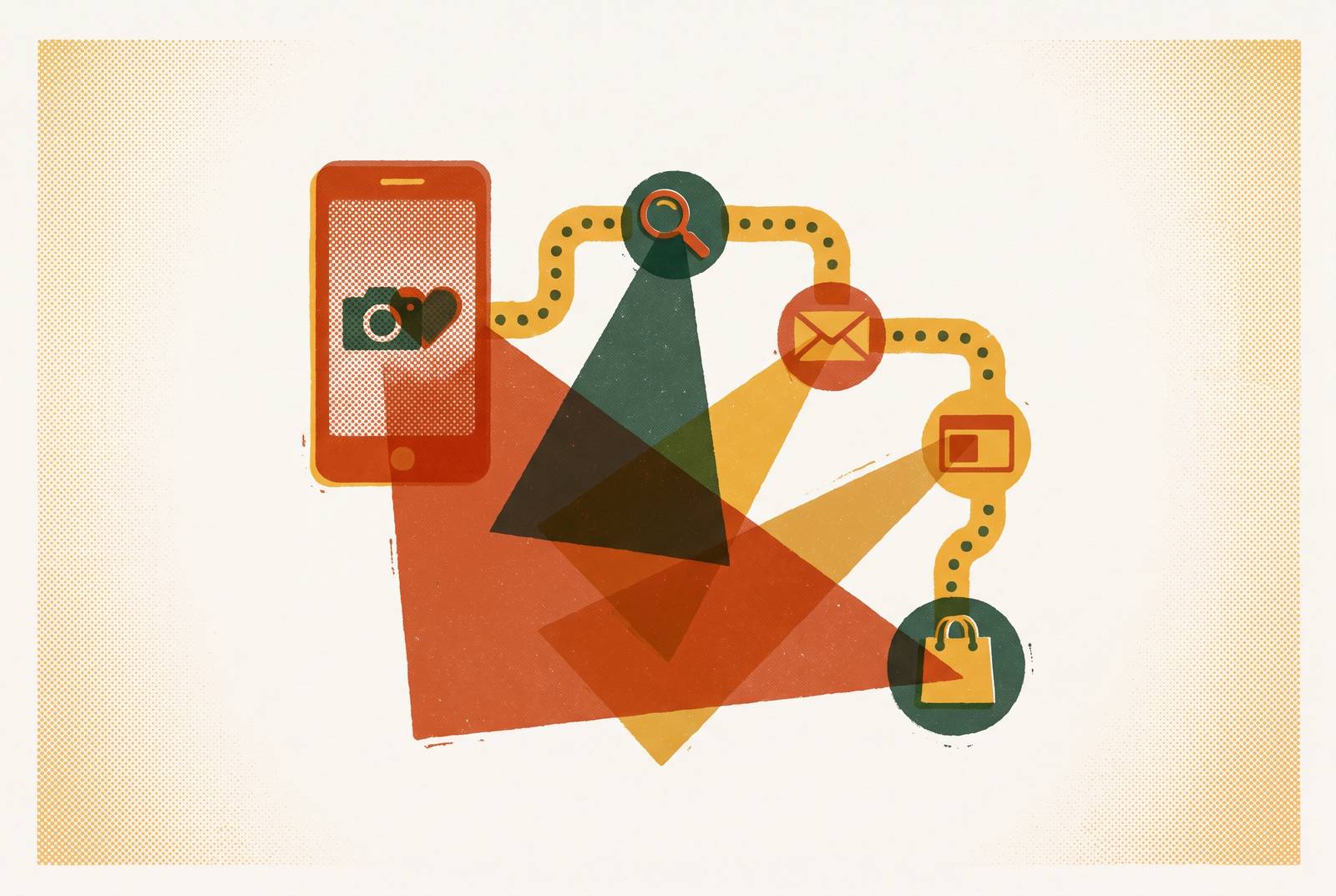
Creator posts need more than a place in a multi-touch attribution model. They need trackable links, a window long enough to reach the deal, and CRM records that connect the buying team. Without that chain, the model credits whoever captured the demand and misses the creator who helped build it.
Why creator posts vanish from standard attribution reports before they ever get credited
A buyer sees a creator’s LinkedIn post, researches privately for months, then finds the brand again through branded search. By then, the search query is visible and the original post is not. The creator gets no credit for the introduction. The report starts where tracking begins, after buying has already begun.
That gap is the dark funnel. People share creator content in private Slack channels, email threads, and internal Notion pages, but not everyone who sees it leaves a trackable click. People can share these posts before there is a form fill or CRM record. A click-based system cannot reconstruct the whole chain from the final visit.
B2B buying adds another break in the record because several people can shape the same purchase. The person who read the post may never submit a form, while a colleague becomes the visible lead. Even when the first reader clicks a tracked link, a short attribution window can exclude that visit before the deal closes. Missing credit therefore has two distinct causes. Some influence never enters the data, and some enters but expires before the report assigns it value.
Why last-touch attribution gives creator programs the wrong budget signal
Branded search and retargeting receive credit for capturing demand, while the creator posts that helped create it appear unproductive. When the budget comes up for review, the channels closest to conversion get rewarded. The channel that introduced the buyer looks expendable.
The damage can arrive late enough to hide the connection. Cutting creator spend in one quarter can drain pipeline a quarter later, when the team is reviewing a different set of campaigns. The original report appeared to justify the cut because it showed little creator contribution. It never showed what would happen without those introductions.
Only a small minority of B2B marketers track MQLs or SQLs as an influencer success metric, while most optimize for engagement. Likes and comments cannot show which opportunities came about with the program’s help. Evaluating ROI and tracking long-term impact remain leading measurement challenges for influencer programs, and a report that cannot connect early exposure to revenue shows that the budget case is incomplete.
Choosing the attribution model that matches what creator posts actually do in the funnel
The first decision is what the model should reward. Sales, marketing, and finance each measure the same journey in their own way, so those teams need to agree on a model before the technical setup starts. A first-touch model ignores what follows the introduction, while last-touch ignores what came before conversion. Neither is enough for a multi-stakeholder journey.
For teams choosing a model, the practical starting point is the creator’s role. If posts mainly bring the brand to a cold audience, lean toward U-shaped or W-shaped attribution. U-shaped attribution assigns equal, substantial shares to first and last touch and splits a smaller remaining share among middle interactions. It values both the introduction and the conversion.
W-shaped attribution adds a defined lead-creation milestone, such as a form fill or MQL, between first touch and conversion. It fits programs where creator activity can be recorded at awareness and pipeline entry, provided those stage gates exist in the CRM. If creator posts span the funnel, consider W-shaped or time-decay. Time-decay favors recent interactions, which can reflect late-stage buying intent, but it can undervalue early creator exposure even when that exposure remains inside the window.
Teams without attribution infrastructure can start with linear attribution and expand. It gives every recorded touch equal credit, making it a defensible baseline with limited precision in judging influence. A creator introduction gets the same weight as a five-second retargeting impression. To test the choice, run the same campaign data through last-touch and a position-based model. A large shift in channel credit exposes how strongly the simpler model shapes the budget story.
The attribution window problem and why 30 days structurally undercounts creator influence
Model weights apply only to touches that fall inside the window. LinkedIn’s default 30-day attribution window is calibrated for paid ad cycles, while creator influence can precede a B2B purchase by months. An early post can therefore disappear before the model weighs it. Even with U-shaped attribution, a first touch outside the window gets no credit.
For LinkedIn creator campaigns, use a minimum 90-day click and view-through attribution window for most B2B deals. A 180-day window is defensible for enterprise or high-ACV segments. The choice should reflect the buying cycle. Otherwise, the longer a sale takes, the more the window works against the channels that reach buyers first.
Set that window in the CRM or attribution platform, including HubSpot or Salesforce where applicable. Keep the measurement horizon consistent across channels. Creator posts and paid ads need the same basis for comparison. If branded search receives a disproportionate share of multi-touch credit while upper-funnel channels contribute little despite meaningful spend, pressure-test the window. That pattern is a warning to investigate before cutting awareness spending. The model may be splitting credit correctly among the touches it has, even though some are missing.
Tagging creator posts so they produce trackable data the model can actually use
Once the model and window are set, campaign execution has to produce usable inputs. Give every creator-post link a standardized UTM parameter set identifying LinkedIn as the source, creator or influencer as the medium, the campaign name, the creator ID or handle, and the content format. Formats can include post, video, or carousel. Agree on naming before launch, because inconsistent labels break campaign-level aggregation and make creator-level ROI harder to read.
Creator-specific landing pages or redirect URLs add a first-party touchpoint before a form fill. A page such as /from/[creator-handle] can fire a CRM event on arrival. That visit still needs continuity afterward. Persistent click IDs and identity resolution must link activity across sessions, devices, and weeks so each return stays part of the same journey.
Clicks alone leave another gap because buyers often see creator posts without clicking. When a post is amplified as a Thought Leader Ad, LinkedIn Campaign Manager supplies aggregate impression and engagement data that adds a view-through layer. Amplifying the post adds paid-media tracking to the same creator and creative. It makes organic influence partly attributable.
LinkedIn’s Creator Marketplace launched June 10, 2026, and was in US/Canada alpha, limited to one language, as of June 2026. It lets brands discover vetted creators inside Campaign Manager and amplify selected posts as Thought Leader Ads in one workflow. LinkedIn takes no commission and processes no payments there. Brands and creators negotiate fees directly, and the brief, usage rights, amplification period, and legal approval must be agreed before publication. That operational work belongs in campaign setup before the post is live.
CRM hygiene requirements that let creator touchpoints flow through to pipeline and revenue
Tagging produces a signal that needs a CRM connection to reach revenue. Teams often treat this as a data quality task separate from marketing, even though it decides whether marketing’s contribution survives into the opportunity record. Persistent click IDs need a CRM connection and a single dashboard covering paid and organic activity. Without that chain, a tracked visit can remain disconnected from the deal it helped start.
The crucial unit is the account. One buyer sees the creator post, another submits the demo form, and a third signs the contract. Those people need to connect to the same account record so the early touch remains part of the opportunity’s history. Otherwise, the report mistakes a change of stakeholder for a new buying journey.
Populate source fields from UTM data when each inbound lead or opportunity first enters the CRM. Retroactive source tagging is unreliable and leaves the “direct/none” fog that hides creator influence. Count the attribution lookback from the opportunity close date. A touch well before close should remain eligible when it falls inside the chosen window.
Add a self-reported attribution field asking “How did you first hear about us?” and keep its answers separate from the model’s click-based calculations. If direct traffic accounts for more than a third of conversions, investigate dark social and broken attribution before treating all of it as independent demand.
Choosing an attribution tool that can handle account journeys, long windows, and LinkedIn data
The tool decision follows from those requirements. It needs account-level attribution across stakeholders, long windows, LinkedIn measurement including view-through engagement, and CRM integration that reaches pipeline and revenue records. Paid and organic touches also need to appear together. A lead-only report cannot answer an account-level question.
Dreamdata focuses on B2B revenue journeys that take a long time and involve several people, with account-level tracking that links multiple contacts and attribution windows that extend to 365+ days. It has a free plan, Activation Starter from $750/month, and custom pricing for Attribution Advanced and Enterprise plans. Factors.ai connects attribution with account intelligence, LinkedIn view-through measurement, intent signals, and advertising activation. It supports account- and opportunity-level attribution across Free, Lite, Basic, Growth, and Enterprise tiers.
Adobe Marketo Measure fits mature Salesforce and Marketo stacks that need online and offline touch attribution. It requires strong CRM hygiene and operational ownership, with custom pricing. HubSpot native attribution is a workable starting point when most marketing and CRM data already lives there, but deeper account journeys and flexible model comparison can become restrictive. Contact Create Attribution is available on Professional and Enterprise plans. Deal Create and Deal Revenue Attribution are available only on Enterprise.
Coverage comes before confidence in any of these tools. If attribution covers fewer than roughly half of conversions, fix data quality and identity resolution before trusting the model, because seeing only part of the journey favors the channels that are easiest to track. At the campaign-operations layer, Naano is one option for running and attributing sponsored LinkedIn creator campaigns, generating UTM-tagged links and tracking clicks, leads, and pipeline back to individual posts. Its per-post data can feed U-shaped or W-shaped attribution in the attribution platform.
Reading the attribution report once the model is running: what numbers to trust and what to pressure-test
A working report should connect creator-sourced first touches to pipeline entries and retain their share of credit across the deal timeline, including when branded search appears later in the journey. The useful output is a record that connects creator spend to MQLs, SQLs, and closed-won revenue.
To pressure-test that record, compare the chosen multi-touch model with last-touch using the same campaign data. A large divergence shows where the credit rules change the channel picture, but the underlying touchpoints still need scrutiny. Compare self-reported attribution with click-based attribution as a second check. If buyers name creators in their answers but those creators never appear in tracked journeys, the report is missing influence that buyers themselves recall.
That limitation does not disappear with better configuration. Private Slack shares and internal Notion pages can pass creator content around without generating a recorded click. Treat click-based creator attribution as a floor of visible influence, with self-reported answers adding context outside the model. Impressions and engagement can help describe exposure, but they cannot replace pipeline and revenue as success measures.
Decide which creators and campaigns deserve further investment. A creator whose tagged leads close quickly and at high rates can be worth more than one with greater reach but weaker conversion quality. Base that judgment on audience fit. Feed closed-deal attribution back into the next creator brief, audience-fit decision, and budget allocation. The purpose is not to prove that one post worked, but to make creator-led acquisition a channel the team can measure and improve.